

Tourism Marketing
AI Innovations
Business Growth
-3.png?width=940&height=600&name=690bf2f5415cc0abfc1a58b4_Peatlands%20-%20Yonder%20Blog%20(1)-3.png)

At Yonder, we’ve purposely chosen to support these natural systems as part of our Carbon Offset Initiative. Here's why we believe they’re critical to tourism’s sustainable future, and why they matter far beyond the numbers.
Native forest regeneration is the process of restoring ecosystems using local tree species and allowing natural biodiversity to return. Unlike monoculture plantations, these forests support wildlife, prevent erosion, and build climate resilience over generations.
Why it matters:
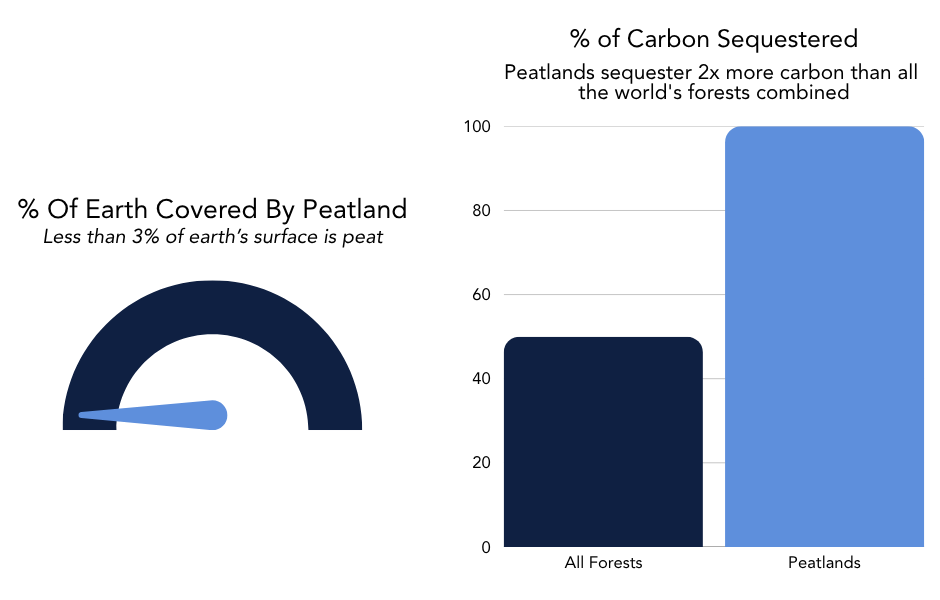
Peatlands are wetlands made up of partially decomposed organic material. They’re nature’s most efficient carbon sink—storing twice as much carbon as all the world’s forests combined, despite covering just 3% of the Earth’s surface!
Threats to peatlands:
These ecosystems are nature-based climate solutions—and they work. As part of our offsets, we’re supporting projects that:
Regenerate native bush in Aotearoa New Zealand
Protect peatland ecosystems from degradation
Rewild Alaska, USA, and restore natural habitats
Protect native forests in Western Australia from destruction and land development
When you use Yonder, you’re not just improving your business. You’re backing projects that protect our landscapes, store carbon, and sustain the environments that make tourism possible.
Let’s build a future where every guest interaction supports a healthier planet—starting with the ground beneath our feet.